





How to choose a pure sine wave inverter for RVs and vans?
- 1. What is a pure sine wave inverter, and why is it essential for RVs and vans?
- 2. How do I accurately determine the power requirements for my RV or van?
- 3. What are the key features to look for in a pure sine wave inverter for RVs and vans?
- 4. How do I ensure the inverter's safety and reliability during operation?
- 5. What are the common mistakes to avoid when choosing a pure sine wave inverter for RVs and vans?
- 6. How can I optimize the lifespan and performance of my pure sine wave inverter?
1. What is a pure sine wave inverter, and why is it essential for RVs and vans?
A pure sine wave inverter converts direct current (DC) from your RV or van's battery into alternating current (AC), producing a smooth, consistent waveform identical to grid power. This type of inverter is crucial for several reasons:
Compatibility with Sensitive Electronics: Many modern appliances, such as laptops, medical devices, and audio equipment, require a pure sine wave to function correctly. Using a modified sine wave inverter can lead to malfunctions or even damage to these devices.
Efficient Appliance Operation: Appliances like refrigerators and air conditioners operate more efficiently and with less heat when powered by a pure sine wave, extending their lifespan.
Reduced Noise: Pure sine wave inverters minimize electrical noise, ensuring that audio and video equipment perform without interference.
2. How do I accurately determine the power requirements for my RV or van?
Calculating your power needs involves:
Listing Appliances: Identify all devices you plan to use simultaneously, including their wattage.
Calculating Total Wattage: Add up the wattage of all devices to determine the total continuous power requirement.
Considering Surge Power: Some appliances, like refrigerators and air conditioners, require additional power during startup. Ensure your inverter can handle these surge demands.
Adding a Safety Margin: It's advisable to select an inverter with a capacity 20-25% higher than your calculated needs to accommodate unforeseen power spikes and to ensure the inverter operates efficiently without strain.
3. What are the key features to look for in a pure sine wave inverter for RVs and vans?
When selecting an inverter, consider the following features:
Efficiency Rating: Opt for inverters with high efficiency (above 90%) to minimize energy loss and reduce battery drain.
Surge Capacity: Ensure the inverter can handle surge power requirements, typically 1.5 to 2 times the continuous wattage, to accommodate appliances with high startup demands.
Safety Protections: Look for built-in features like overload protection, over-temperature shutdown, short circuit protection, and low voltage alarms to safeguard both the inverter and connected devices.
Battery Compatibility: Verify that the inverter is compatible with your RV or van's battery type (e.g., lead-acid, lithium) and voltage (12V or 24V) to ensure efficient charging and operation.
Portability and Installation: Consider the inverter's size and weight, especially if space is limited. Ensure it comes with appropriate mounting options for secure installation.
4. How do I ensure the inverter's safety and reliability during operation?
To maintain safety and reliability:
Proper Installation: Follow the manufacturer's installation guidelines meticulously. Incorrect installation can lead to equipment damage or safety hazards.
Regular Maintenance: Periodically inspect the inverter for signs of wear, overheating, or damage. Ensure ventilation is adequate to prevent overheating.
Monitor Battery Health: Keep track of your battery's state of charge and health, as an over-discharged or damaged battery can affect inverter performance.
Use Appropriate Wiring: Ensure that wiring is of the correct gauge and length to minimize voltage drop and potential overheating.
5. What are the common mistakes to avoid when choosing a pure sine wave inverter for RVs and vans?
Common pitfalls include:
Underestimating Power Needs: Failing to account for all appliances and their surge requirements can lead to selecting an undersized inverter, resulting in inadequate power supply.
Overlooking Efficiency: Choosing an inverter with low efficiency can lead to higher energy consumption and faster battery depletion.
Neglecting Safety Features: Opting for inverters without essential safety protections can expose your equipment to risks like overloads and short circuits.
Ignoring Battery Compatibility: Using an inverter incompatible with your battery type or voltage can lead to charging issues and potential damage.
Focusing Solely on Price: Prioritizing cost over quality can result in purchasing an unreliable inverter that may not meet your power needs or last as long.
6. How can I optimize the lifespan and performance of my pure sine wave inverter?
To enhance longevity and performance:
Install in a Cool, Dry Location: Heat and moisture can degrade inverter components. Choose a well-ventilated area away from direct sunlight and moisture.
Ensure Adequate Ventilation: Proper airflow prevents overheating. Avoid obstructing ventilation openings and consider adding external fans if necessary.
Regularly Check Connections: Loose or corroded connections can lead to power loss and potential hazards. Inspect and tighten connections periodically.
Monitor Performance: Use monitoring tools to keep track of voltage, current, and temperature, allowing for early detection of issues.
By carefully considering these factors and avoiding common mistakes, you can select a pure sine wave inverter that ensures reliable and efficient power for your RV or van, enhancing your off-grid experience.
For personalized recommendations or to request a quote, please contact us at info@csinverter.com or visit our website at www.csinverter.com.


Modified Sine Wave Inverters
Can this inverter run a refrigerator or power tools?
Recommended load ≤80% of rated power. For inductive loads, use a pure sine wave model.
What is the working principle of the UPS function?
When the external power supply is normal, the inverter powers the device and charges the battery; when the external power supply is interrupted, it automatically switches to battery power to ensure uninterrupted operation of the device.
Which country’s voltage standards does it support?
It defaults to AC 220V output, suitable for regions with 220V voltage standards such as China and Europe; it can also be customized to output AC 110V, suitable for regions with 110V voltage standards such as the United States and Japan.
How to connect the battery with the battery clip?
Connect the positive and negative poles of the battery clip to the positive and negative poles of the battery respectively, and ensure a firm connection.
What devices can this inverter power?
Rated for 600W, peak 1000W. Recommended to use devices under 80% of rated capacity.
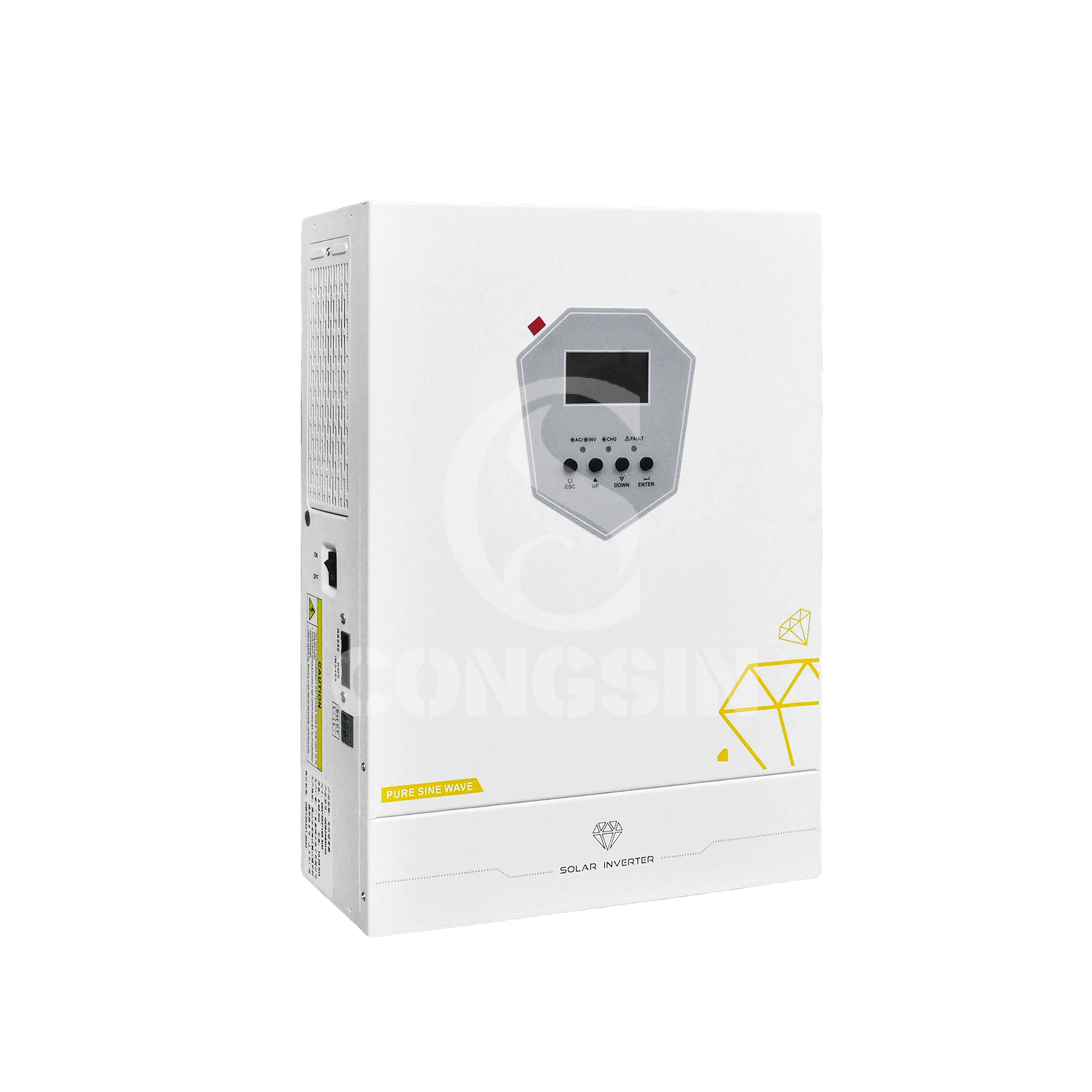
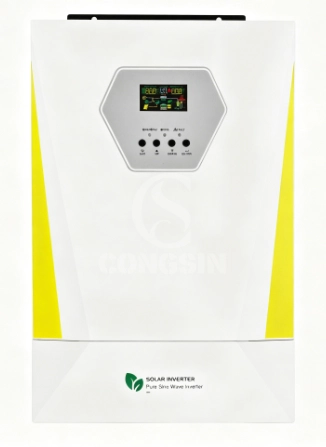
Power your solar system efficiently with the Congsin 4000W and 6000W Hybrid Inverter. Featuring an integrated MPPT Controller, this CE Certified inverter ensures optimal energy conversion. Monitor performance effortlessly via the intuitive LCD Display. Reliable, powerful, and ready for your sustainable energy needs.
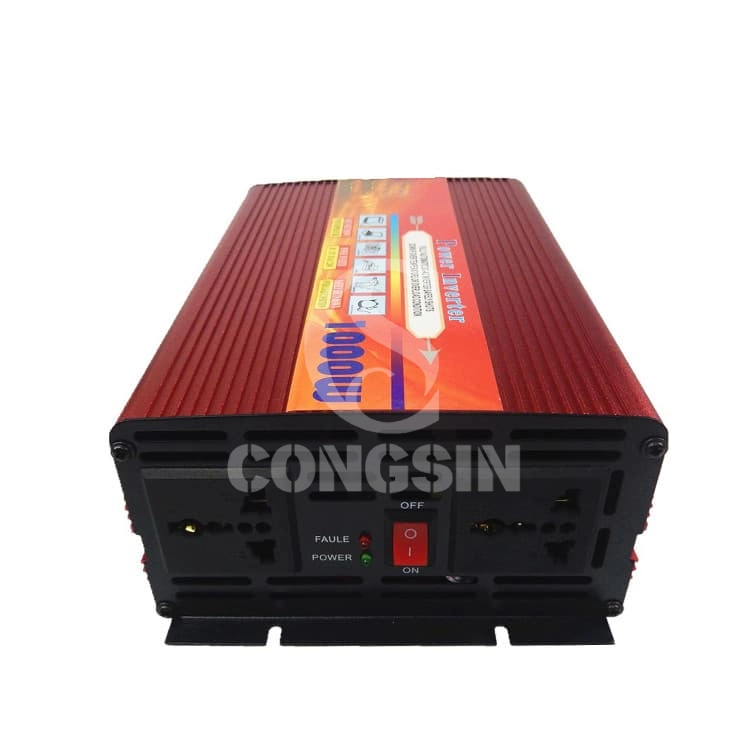
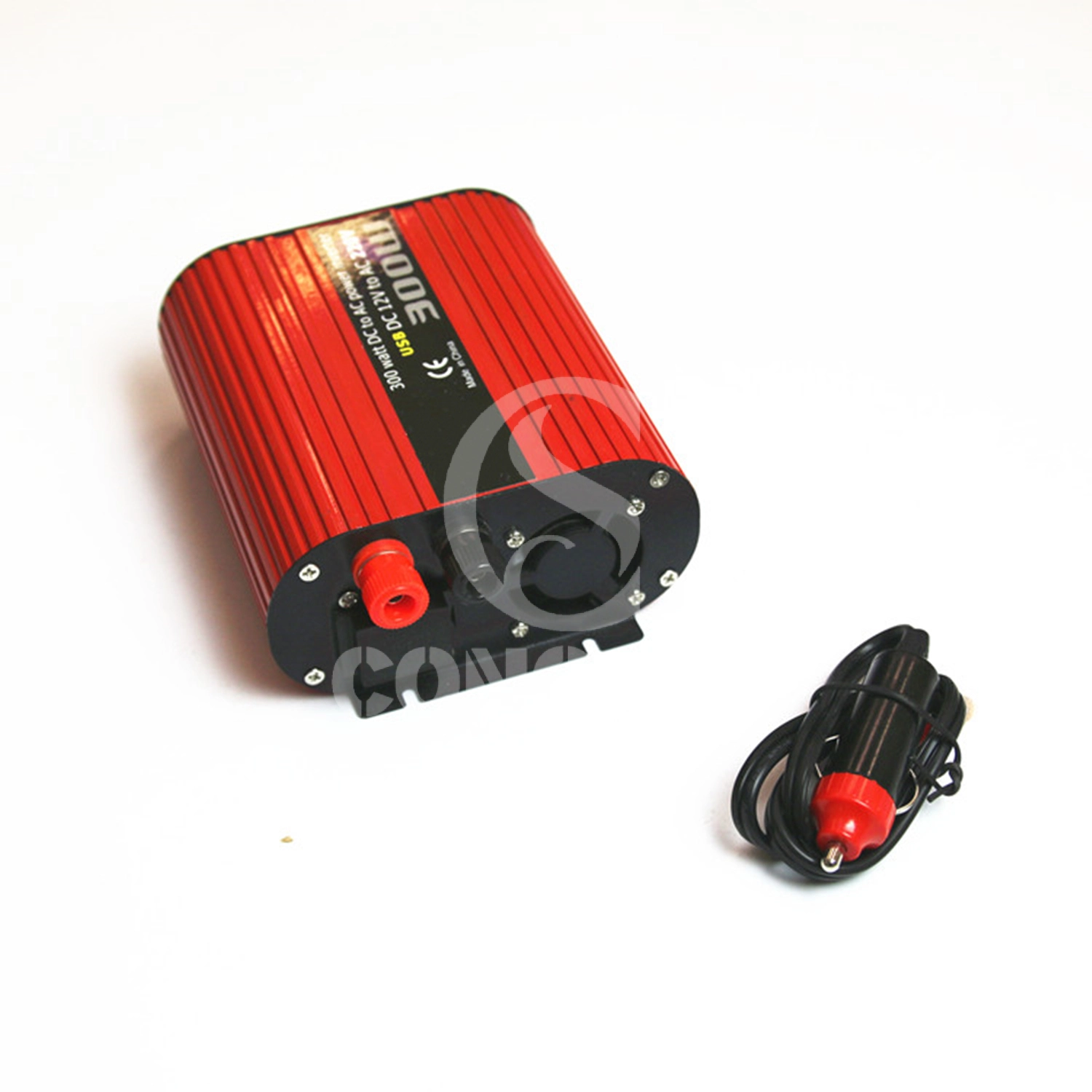
Congsin's Portable 150W Modified Sine Wave Inverter powers your journey! This versatile Car Power Inverter with USB acts as a reliable 12V to 220V converter, ensuring an essential off-grid power supply. With dual USB ports and a universal socket, enjoy convenient power on the go.
Get in Touch with Our Team
You can also communicate with us directly through our online contact form. Please fill in the following information, and our team will contact you as soon as possible after receiving your message.

CONGSIN is a trusted OEM factory for power inverters, solar charge controllers, and DC converters. Reliable solutions for global B2B buyers.
 High Quality
 7/24 Service
 Guaranteed Warranty
© 2025 Congsin. All Rights Reserved.
 WeChat
 Scan QR Code
sin cong
teaimei10
Whatsapp: +8618028086791
Scan QR Code